Learn exactly what a sump pump does to waterproof your basement. Become an expert on sump pump types, get waterproofing tips, and bust some common sump pump myths.
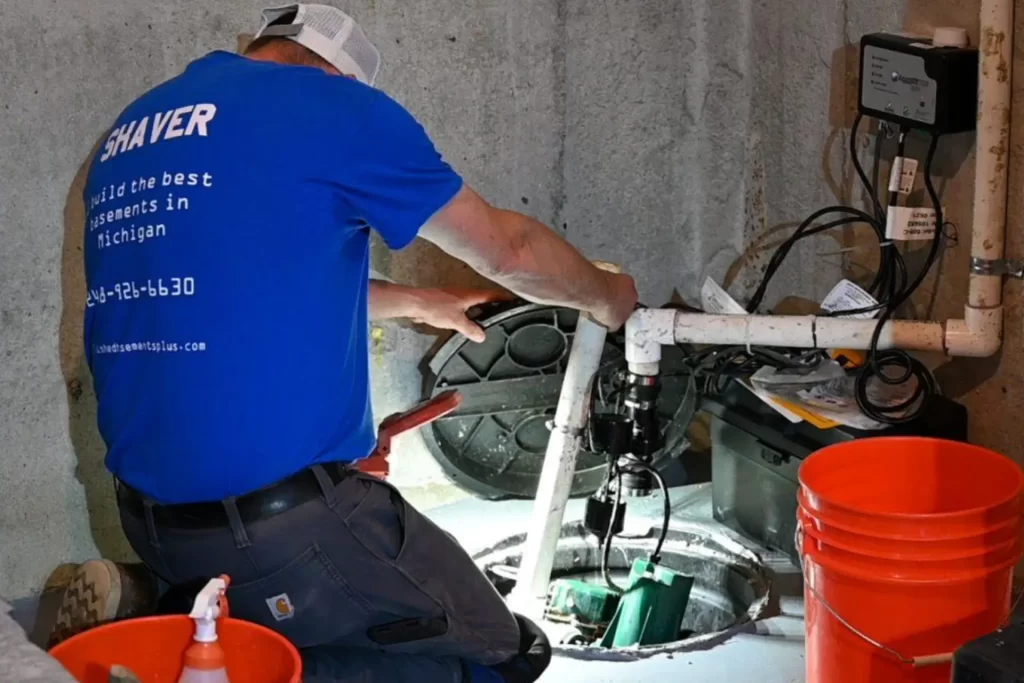
Basement flooding is a nightmare for any homeowner. But what actually protects your basement from water damage? Is a sump pump the right solution?
Also…what does a sump pump even do to waterproof your basement?
A sump pump is one of the most effective tools in the fight against water damage, keeping your basement dry, safe, and functional.
We’ll get into how a sump pump waterproofs your basement and what signs to look for that mean it’s time to add a sump pump to your waterproofing arsenal.
A sump pump is a device designed to protect your home from water intrusion by efficiently removing water that accumulates in your basement or crawl space. It’s positioned at the lowest point of your basement and works tirelessly to prevent flooding, dampness, and damage caused by excess moisture.
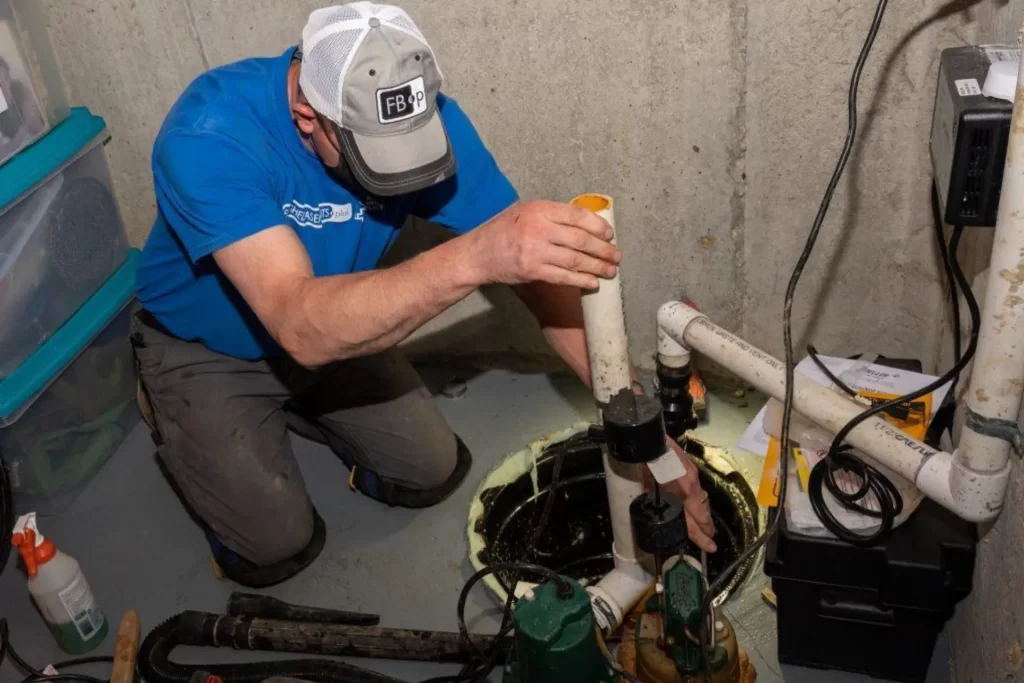
Sump pumps are one of the most effective tools for keeping your basement dry and free from water damage. By actively managing water flow, they protect your home from flooding, dampness, and structural issues caused by excess moisture. Here’s how they work:
Water enters your sump pit through various sources. The sump pump’s job is to gather that water into one central location. Common water sources include:
Modern sump pumps are equipped with a float switch or pressure sensor. When the gathered water levels in the pit rise to a certain point, these mechanisms signal the pump to activate:
Once activated, the sump pump draws water from the pit and pushes it out through a discharge pipe. This pipe channels the water away from your home, typically directing it:
This process prevents water from pooling around your home’s foundation or seeping back into your basement.
Hydrostatic pressure builds up when water accumulates in the soil surrounding your foundation. Over time, this pressure can lead to cracks and leaks. By removing excess water, sump pumps relieve this pressure, protecting your foundation from damage.
Beyond preventing visible flooding, sump pumps play a role in reducing humidity and the risk of mold growth. They help create a clean, safe storage, living, or entertaining space.
Sump pumps come in various types. To choose the right one for your basement, you’ll need to assess factors like water volume, space constraints, and power availability. Let’s break down the three most common types of sump pumps:
| Common Sump Pump Types Pros and Cons | |||
|---|---|---|---|
| Type | Features | Pros | Cons |
| Pedestal Sump Pump | Motor mounted above the sump pit; operates with a pipe extending into the pit. |
|
|
| Submersible Sump Pump | Installed inside the sump pit; operates underwater with a sealed motor |
|
|
| Water-Powered Sump Pump | Uses water pressure from your home’s supply; does not rely on electricity. |
|
|
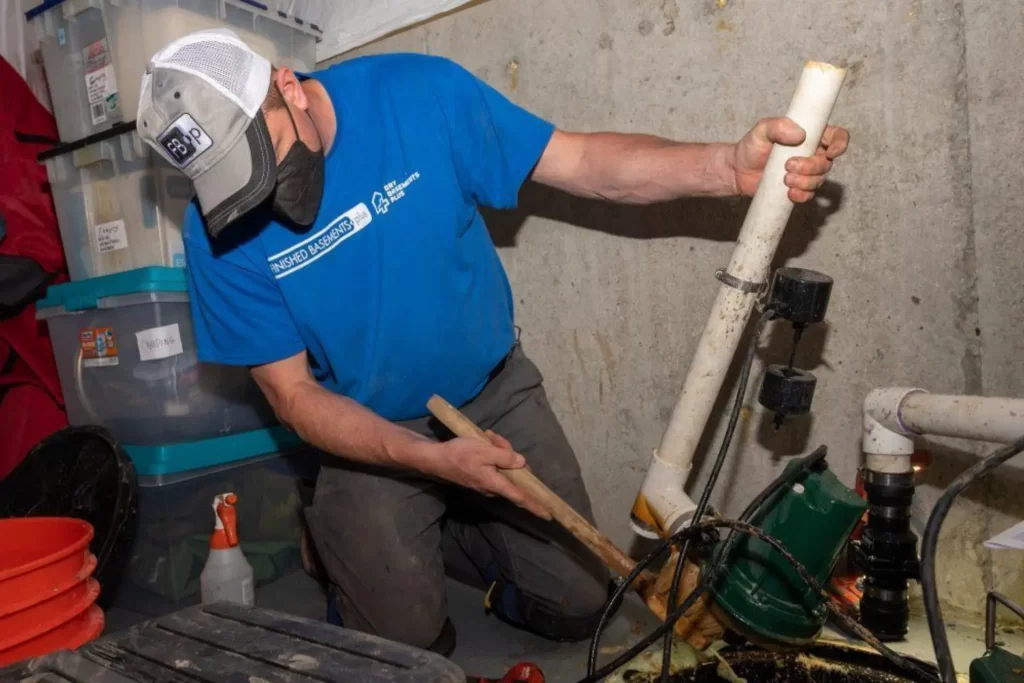
Sump pumps might get a bad rap, but that’s because they’re misunderstood. Let’s clear up some common myths and set the record straight.
Many homeowners worry that a sump pit will take up valuable basement space. However, sump pits are typically small and installed in an unobtrusive corner of the basement. Once covered with a durable lid, they are barely noticeable and don’t interfere with the use of your space.
In fact, by preventing water damage, they ensure you can make full use of your basement for storage, living, or entertaining.
Some people believe that sump pits and their associated systems are complicated to install or maintain. The truth is you just need a professional sump pump installer.
They’ll make sure the system is set up seamlessly and that routine maintenance, like checking the pump and cleaning the pit, is straightforward. With a little care, your sump pit will run efficiently for years.
It’s tempting to think you don’t need a sump pit unless your basement has flooded before. However, water intrusion can happen unexpectedly, especially in areas with high water tables or during severe weather.
A sump pit is a preventative measure, keeping your basement dry before water becomes problematic. Skipping a sump pit could leave you vulnerable to costly water damage, and with flooding getting progressively more prevalent nationwide, it might not be worth the risk.
The reality is that a properly installed and maintained sump pit is highly dependable. Modern sump systems often include features like battery backups, alarms, and high-quality pumps that ensure functionality even during power outages or extreme conditions. Regular inspections and maintenance further reduce the likelihood of failure.
Basements get wet and flood due to several factors, including poor drainage around the foundation, cracks in the walls or floor, high groundwater levels, and inadequate waterproofing measures. When water accumulates around your home’s foundation, hydrostatic pressure forces it through weak spots, causing dampness or flooding. Heavy rains, melting snow, or improper grading can also exacerbate the problem.
Installing a sump pump involves digging a sump pit at the lowest point of the basement floor. A professional installer places the pump in the pit, connects it to a discharge pipe, and ensures the pipe routes water safely away from the home. The system may also include drainage tiles to direct water into the pit. Finally, the pump is connected to a power source, often with a battery backup for reliability during outages.
Yes, a sump pump can be installed after a house is built. Retrofitting a sump pump involves identifying the lowest point in the basement, excavating a sump pit, and installing the pump and drainage system. This process can be completed with minimal disruption by experienced professionals and effectively addresses water issues in existing homes.
Don’t wait for water problems to cause costly damage to your home. At Finished Basements Plus, we specialize in professional sump pump installation and maintenance to keep your home safe and dry year-round.
Contact Finished Basements Plus for a free consultation and discover how our sump pump solutions can protect your basement from water damage today.

Finish Now & Pay Later! (cannot be combined with any other offers)
Limited time offer – Enjoy your lower level without the stress of paying right away.
