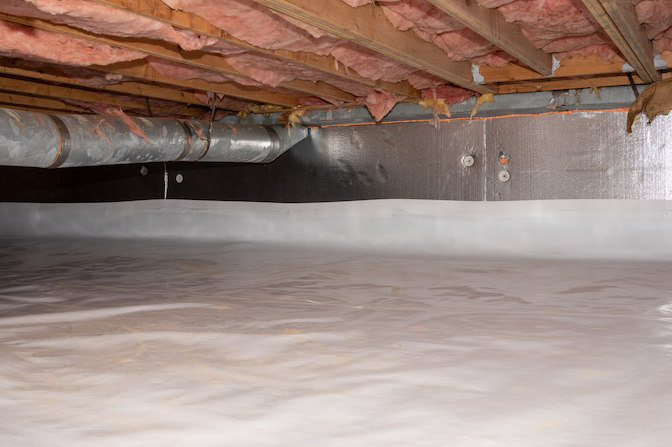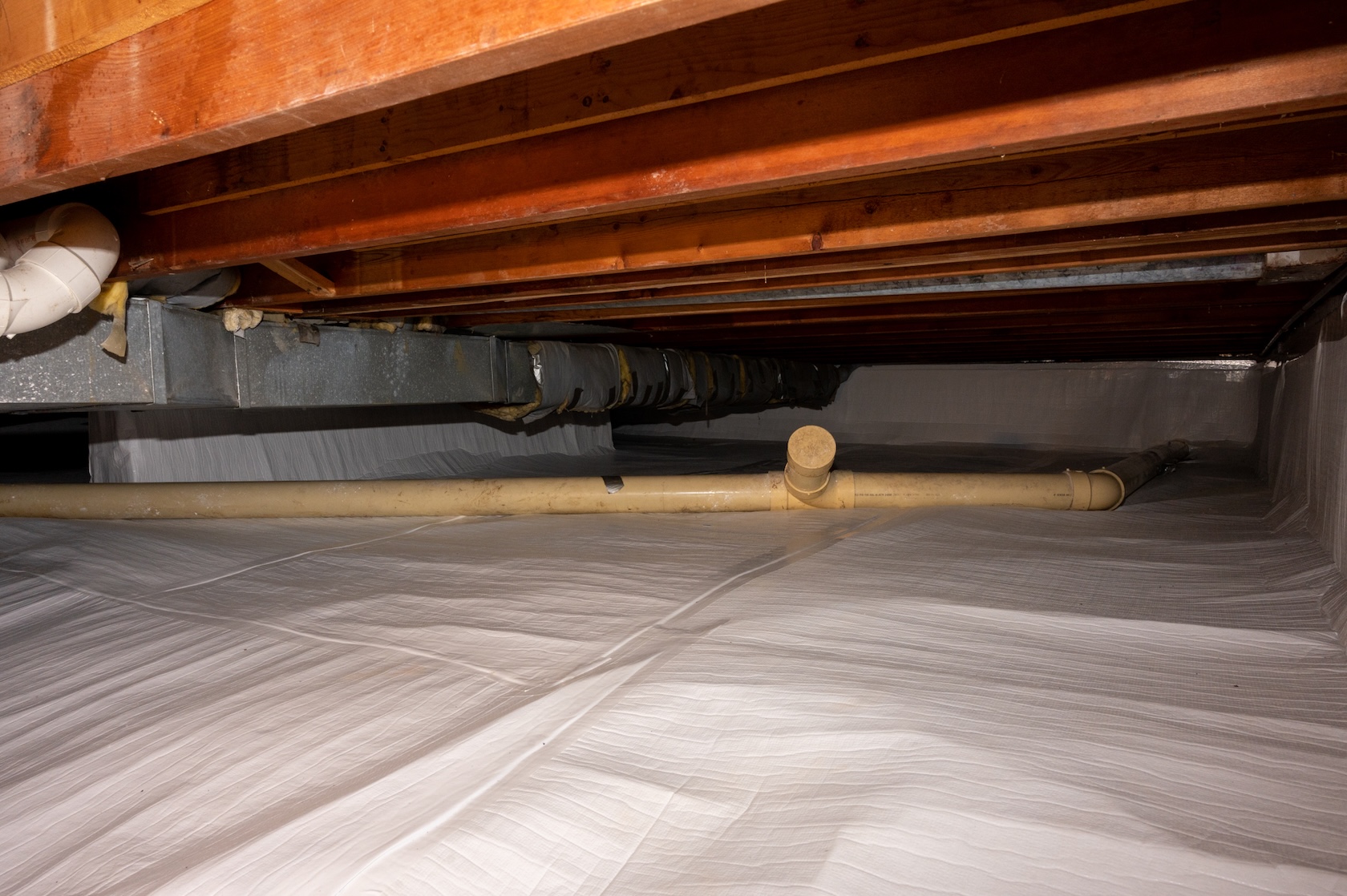
Cold floors above a crawl space happen because of air movement, not a heating problem. If your furnace works fine, but your floors stay cold, air from an unsealed crawl space is moving up into your living space above it.
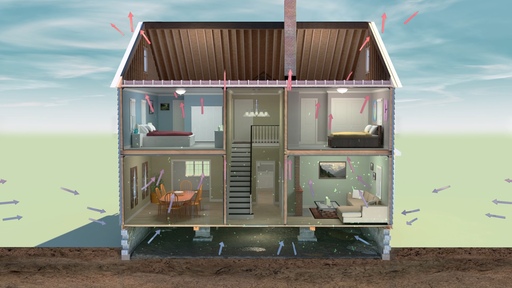
Warm air rises through your house and escapes through windows, doors, attics and other openings. As it leaves, the house pulls in replacement air from lower down, like a crawl space. This is called the ‘stack effect’ and it happens year-round.
In winter, that means cold air gets pulled up through the floor above your crawl space. That's why the floor feels cold even when the furnace is running normally.
Why Crawl Space Vents Don't Help
There was a time when building codes required vents in crawl space foundations, based on the idea that outside air would simply pass through and keep the space dry. That's not what actually happens, the air enters and thanks to the stack effect, it rises straight up into your home.
Vents let outside air move freely into your crawl space and up into your home, which means your furnace and air conditioner have to work harder to heat and cool your home, driving your energy bill up in the process.
What Happens If the Crawl Space Is Left Alone
Left unaddressed, a vented, uninsulated and damp crawl space can lead to:
- High energy bills
- Poor indoor air quality pulled into your living space
- Wood rot in floor joists
- Mold growth in the crawl space
According to ENERGY STAR, citing a U.S. Department of Energy Building America Program report, uninsulated basement walls can account for as much as a one-third of a home's total heat loss. An uninsulated, vented crawl space can create a similar problem, with heat loss through the floors above, wasting energy and driving up your heating and cooling costs year-round.

The Fix: Seal the Vents, Insulate the Space
Cover Crawl Space Vents
Sealing off the vents stops outside air from flowing freely in and out, which is the first step in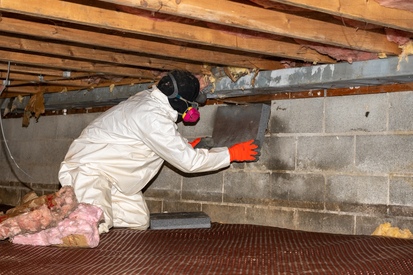 breaking the stack effect that's pulling cold air up through your floor.
We insulate the band joist (the wood framing where your foundation meets the floor above) and the crawl space walls with rigid foam insulation, so outside temperatures stop transferring directly into your floor system.
What If I Have Water in My Crawl Space?
If your crawl space also deals with moisture or standing water, sealing and insulating alone won't solve the problem. Trapping humid air behind an unsealed, wet crawl space just creates the conditions for mold. In that case, we pair a drainage system with full encapsulation: the drainage system manages the water itself, and encapsulation seals the space completely, so you get a dry, conditioned crawl space instead of a sealed, damp one.
👉 Learn more about crawl space encapsulation! 👈
What the Fix Looks Like From Here
- Inspection. A team member goes into the crawl space to check every inch and measure the area.
- Recommendation. We explain what's happening and what it takes to fix it.
- Insulation and/or Encapsulation. We seal, cover, and control the space.
Cold floors year after year usually point back to the same place — an unsealed crawl space working against your furnace instead of with it.
📞 If your floors are cold, schedule a free crawl space inspection with Basements Plus, serving Southeast Michigan.