That smell is your home’s way of telling you something is wrong. The fact that you noticed it, asked yourself what it meant, and you reading this right now puts you ahead of most homeowners. A lot of people ignore crawl space problems for years before they’re forced to deal with them.
Here’s what’s causing it and how to fix it for good.
Where the Moisture Is Coming From
In most southeast Michigan homes, that musty smell traces back to one or more of these sources:
- Ground Vapor. Moisture evaporates continuously from the soil beneath your home and rises into your crawl space. Without a proper barrier, there’s nothing stopping it.
- Humidity and Condensation. Warm, humid air that enters the crawl space settles on cooler surfaces, pipes, wood, the ground and turns into moisture. Over time, that moisture creates conditions where mold and mildew thrive.
- Poor Ventilation. Older homes were built with vented crawl spaces under the assumption that outside air would help dry things out. In Michigan’s humid summers, it does the opposite, it pulls warm, moist air in. When that warm air meets the cooler interior, it condenses and traps moisture inside.
- Standing Water. Water from plumbing leaks or heavy rain can collect in a crawl space and sit for days or weeks without proper drainage. Dark, damp, enclosed spaces are exactly the conditions mold and mildew need to grow.
Most crawl spaces we’ve inspected have a combination of these conditions going on at the same time.
What Happens If You Ignore It
Left alone, a moisture problem doesn’t stay contained to the crawl space. It works its way into the structure and air quality of your whole home:
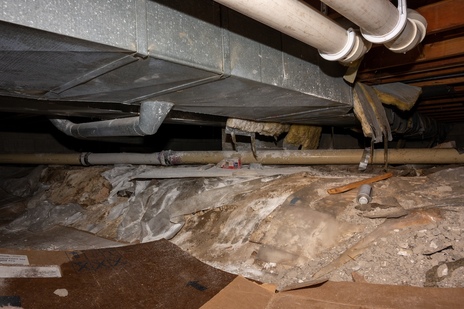
- Wood rot. Prolonged moisture breaks down floor joists and beams over time, compromising the structural integrity of your home.
- Mold and air quality issues. Mold spores don’t stay put, they travel through gaps in the floorboards and your HVAC system into the air your family breathes every day, contributing to allergies, headaches, and respiratory irritation.
- Sagging floors. When the wood supporting your main floor absorbs enough moisture, it weakens. If you’ve noticed soft spots or a subtle bounce when you walk, your crawl space may be the reason.

Why a Crawl Space Problem Is a Whole-House Problem
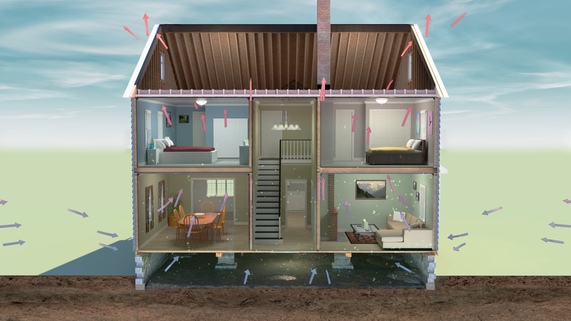
What most homeowners don’t realize is that air from your crawl space doesn’t stay below the main level, it circulates throughout your entire home. This is called the ‘stack effect’.
As warm air rises and escapes through the upper levels of your home, cooler air gets pulled in from below, right through your crawl space. On its way up through gaps in floorboards, around plumbing and wiring, and through your HVAC system, that air carries mold spores, allergens, and excess humidity with it.
So, the smell you’re noticing upstairs? It started down there.
The Quick Fix: Dehumidifier Only
When homeowners notice a musty smell, the most common response is put a standalone dehumidifier in the crawlspace. It’s an understandable move and it can genuinely help reduce humidity levels in the short term.
But a dehumidifier addresses the symptom, not the source. It doesn’t stop ground vapor from rising through an exposed dirt floor. It doesn’t stop humid outside air from pouring in through old vents. It doesn’t stop water from finding its way in during the next heavy rain. All it does is manage some of the moisture that’s already accumulating, which means it needs to keep running indefinitely, just to keep pace with a problem that never actually goes away.
It’s a mask, not a cure. And masks wear off.
The Real Fix: Crawl Space Encapsulation
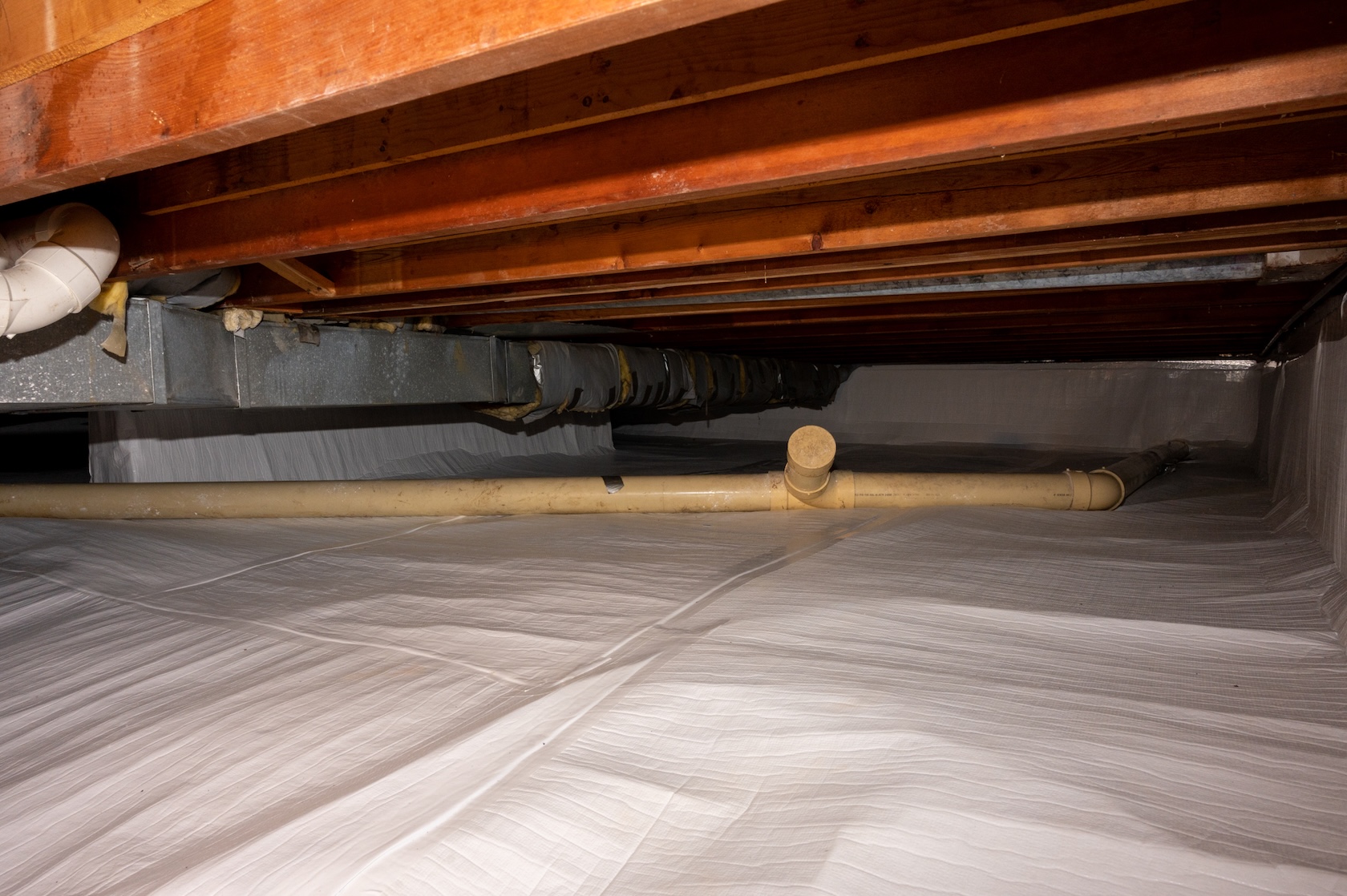
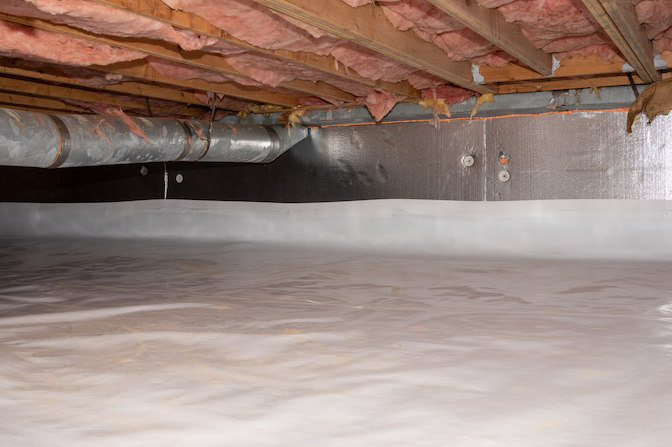
The most effective solution is crawl space encapsulation - sealing your crawl space from ground moisture and outside air to create a clean, dry, controlled environment beneath your home.
Done right, encapsulation eliminates the sources of the problem entirely:
- Ground vapor can no longer rise through an exposed dirt floor
- Humid outside air can no longer pour in through old vents
- Standing water has nowhere to accumulate
And because the stack effect no longer has moist, musty air to pull upward, your indoor air quality improves throughout the entire house, not just in the crawl space.
A sealed crawl space is also far less inviting to bugs, rodents, and pests that breed in dark, damp conditions.
For added protection, a dehumidification system can be installed alongside encapsulation. Our SaniDry Sedona is designed specifically for crawl spaces — it removes up to 100 pints of water from the air per day and filters out musty odors, keeping conditions stable year-round.
Getting It Fixed Is Easier Than You Think
At Basements Plus, we start with a thorough inspection, evaluating your crawl space and foundation across 21 checkpoints. If we find anything of concern, we’ll walk you through exactly what it is and what it will take to address it, with an honest estimate for your specific situation. No pressure, no guesswork.
Once your project is complete, you and your family can breathe easier - literally. You’ll also notice the added benefits: lower energy bills, warmer floors in the winter, and no more unwanted pests making a home beneath yours.
Call to schedule a FREE inspection today!

Topics: