Why your basement leaks after rain isn't a mystery, rain saturates the soil around your foundation and the water pressure that builds finds a weak point: a wall crack, the cove joint where your floor meets the wall, a wall crack, a window well that collects water, or a sump pump that couldn't keep up with the volume. The entry point determines the fix.
This post walks through the most common causes, what each one means for your home, and what a proper repair actually involves so you're not guessing before the next storm.
Where Does Water Get In?
After a heavy rain, water in your basement is almost always coming from one of four reasons:
Wall Cracks - As soil around your foundation shifts and expands with moisture, it pushes against your basement walls. Over time, that pressure creates cracks, and cracks are an open door for water once the ground gets saturated.
Floor Joints - The cove joint, where your basement floor meets the wall, is a common weak point. It's not sealed like the rest of the slab, and it's often the first place water shows up after a big rainfall.
Window Wells - If your basement has an egress and the window well doesn't have a cover or your yard's grading sends water toward the house instead of away, that well will fill up with water and find its way through the window frame or the surrounding foundation.
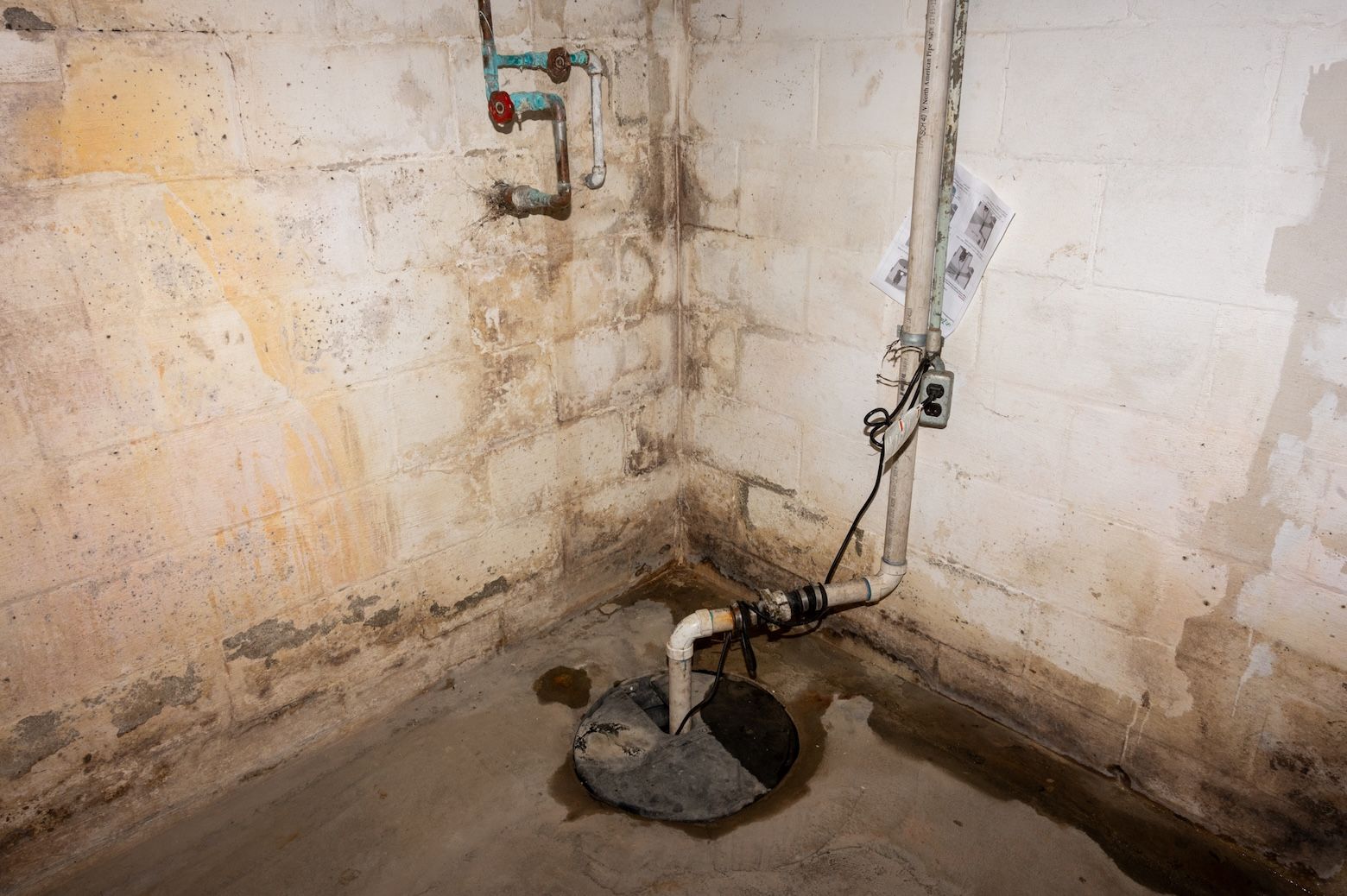
Failed Sump Pump - If you already have a sump pump, a leak after rain doesn't always mean a new problem, it can just mean the pump couldn't keep up. Power outages during storms, a pump that's aged out or a system that was undersized for your home's water volume can all mean the water has nowhere to go but to over flow on your floor.
What to Do When You Find Water After a Storm
If you've got standing water in your basement after a rainstorm, start here:
- Take Photos - Document the water line, the source area, and any damaged items. You'll want this record whether you're filing insurance or just tracking the problem over time.
- Move Anything of Value Off the Floor - Storage bins, electronics, furniture legs. Get them up and dry.
- Remove Standing Water - A shop vac works well. Towels and a mop work fine for smaller amounts.
- Get Air Moving. A fan and dehumidifier will cut down on moisture and slow any mold growth while you figure out next steps.
Why It Keeps Coming Back After DIY Fixes
Those DIY fixe the symptoms for a short while, but they don't address the real issue or solve the problem long term. Michigan's clay-heavy soil holds water and swells when it's wet, then contracts when it dries. That constant movement puts pressure on your foundation year after year and it doesn't stop because you patched a crack. The water just finds the next weak point or reopens the one you just sealed. That’s why we install a system to redirect the water into a sump pump that drains the water away from your home.
The longer this cycle continues, the more it can cost you. Repeated moisture doesn't just mean another rainy-day cleanup. It raises the risk of mold, it stresses your foundation over time and it's the kind of thing that makes buyers nervous if you ever sell your home. What starts as a small, occasional puddle can turn into a much bigger structural and health issue if the actual water source is never addressed.
What a Proper Fix Actually Costs
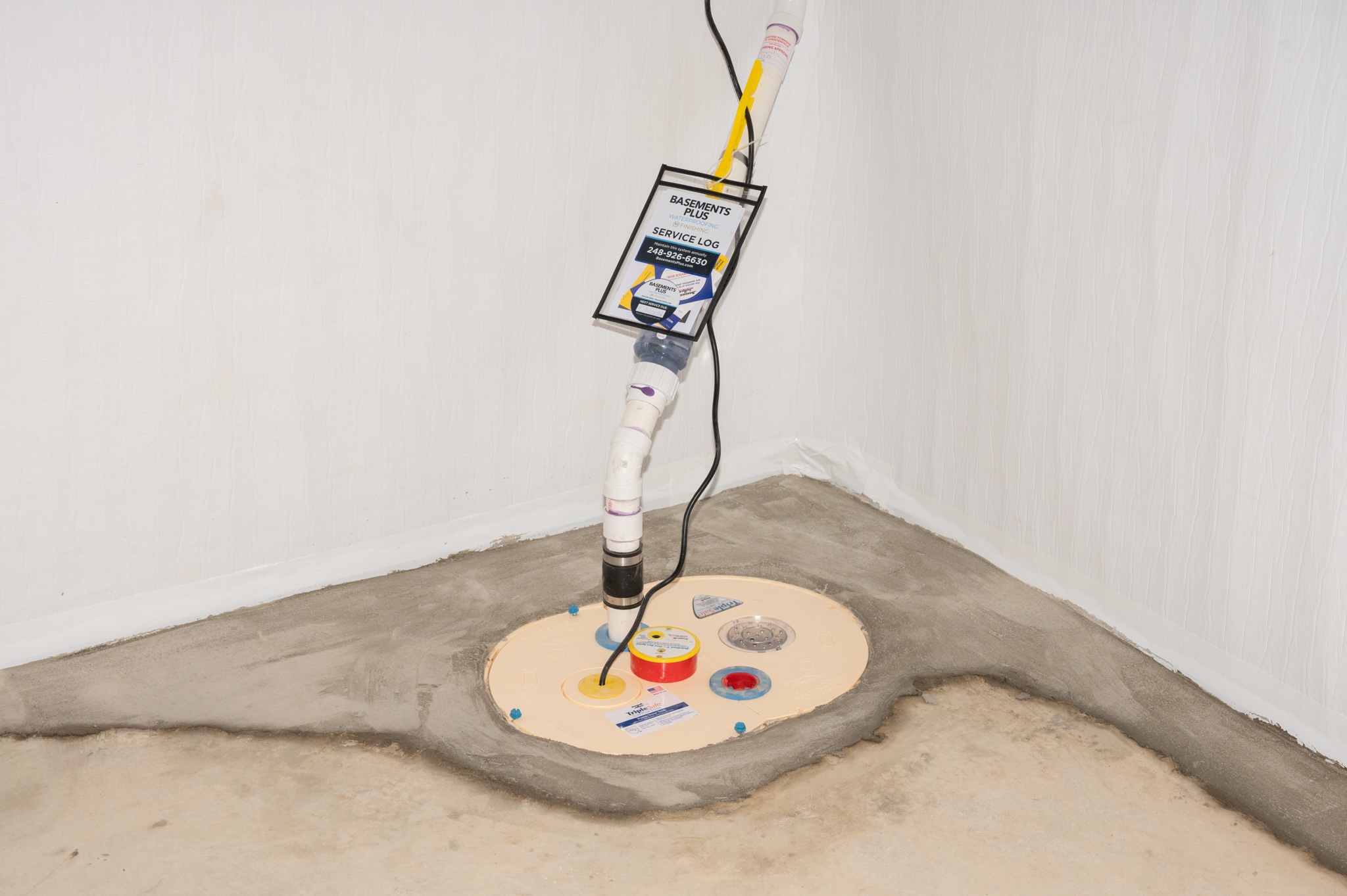
A full perimeter interior system with WaterGuard, a TripleSafe sump pump, vapor barrier, and battery backup typically runs between $10,000 and $20,000. Waterproofing repairs in Southeast Michigan can range anywhere from a simple crack repair to a full system like that and where your project lands depend on your foundation issues and how water is actually getting in.
An in-home inspection is still the only way to know for sure. We look at what's happening in your specific basement first, then give you a real number and a real solution, not a guess. Financing is available too, if you'd rather spread the cost out instead of paying all at once.
What We Do to Fix Your Basement
Once we know what we're dealing with, here are the solutions we work with:
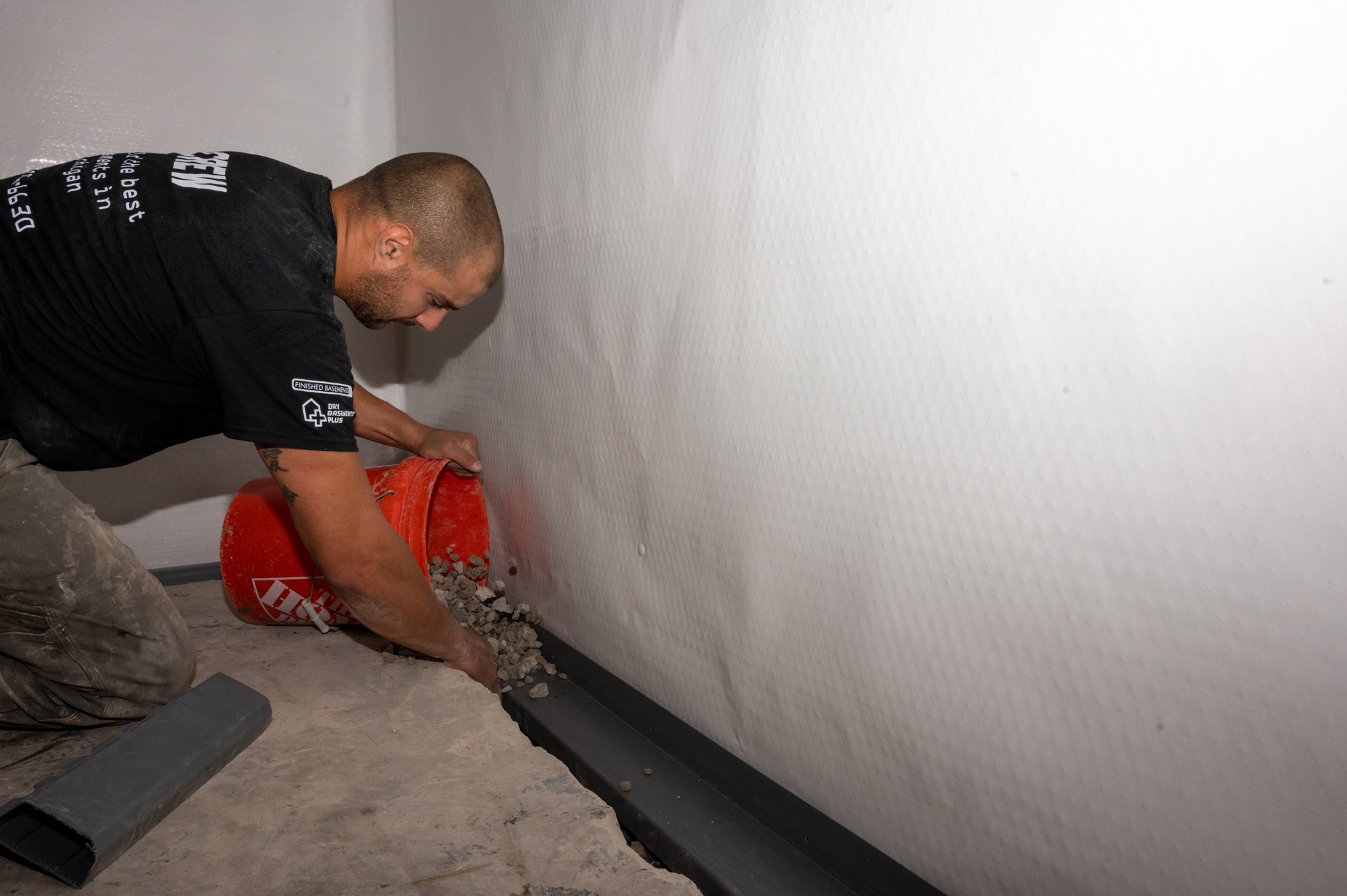
- Interior Drainage Systems - We install drainage systems that capture water before it pools on your floor and redirect it away from your foundation, cutting down on mold risk and long-term structural damage.
- Wall and Floor Crack Repair - We seal the cracks letting water in, stopping moisture at the source instead of just soaking it up after the fact.
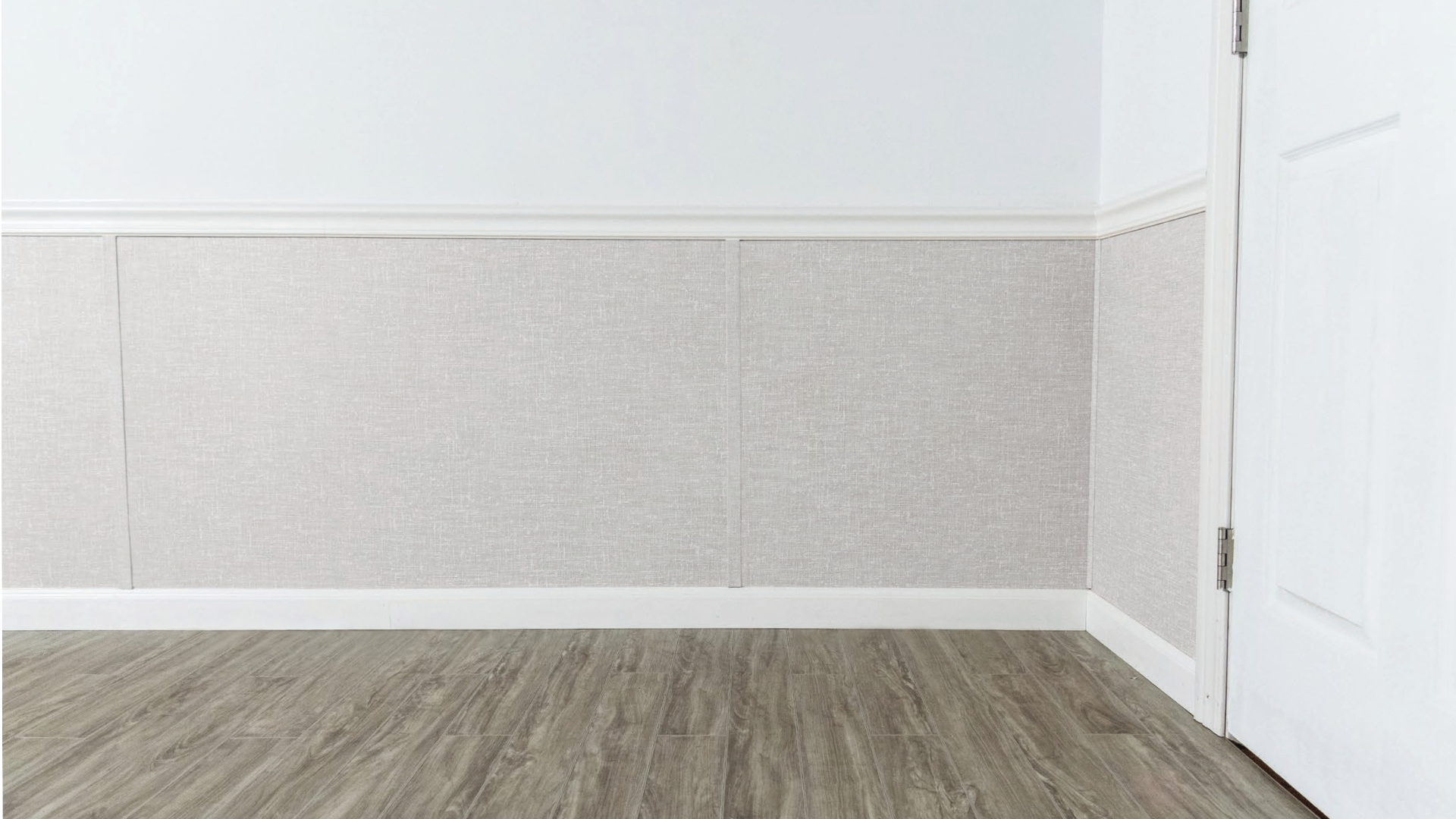
- Vapor Barriers and Full Encapsulation - For basements and crawl spaces dealing with ongoing humidity, encapsulation controls moisture at the root, improving air quality along with keeping things dry.
- Sump Pump Systems - A properly sized sump pump moves excess water out fast. Add a battery backup, it keeps working even if the power goes out.
- Sump Pump Repair and Maintenance - If you already have a system, routine maintenance is what keeps it reliable when you actually need it.
- Dehumidifiers - High-performance units maintain the humidity level your basement needs to stay mold-free and comfortable year-round. No dumping buckets!
- IceGuard® System - Installed alongside your waterproofing system, IceGuard protects your sump pump discharge line from freezing shut in the winter, so the system you're relying on keeps working when it's cold outside too.
We don't sell you everything on this list. We look at your basement, figure out what's actually going on, and recommend what it needs.
What Southeast Michigan Homeowners Say
Basements Plus has been solving basement water problems for Southeast Michigan homeowners for over two decades, and we've heard from plenty of them about what that meant for their home.
"It's been raining for several hours at our house, all throughout the night and day...but thanks to Basements Plus we didn't lose any sleep worrying about our latest investment, our finished basement having any water leaks/damage. The waterproofing system our Basement Specialist sold us, is pretty high tech and gives us the peace of mind every homeowner desire...NO WATER DAMAGE!!!" -Suzanne T. of Romeo, MI
Stop Guessing - Get a Real Answer Before the Next Storm
The best time to find out what's actually happening with your basement is before the next heavy rain, not during it. A free inspection gets you a clear answer on what's causing the water, what it'll take to fix it for good, and what it actually costs for your specific situation.