Why Is My Basement Leaking?
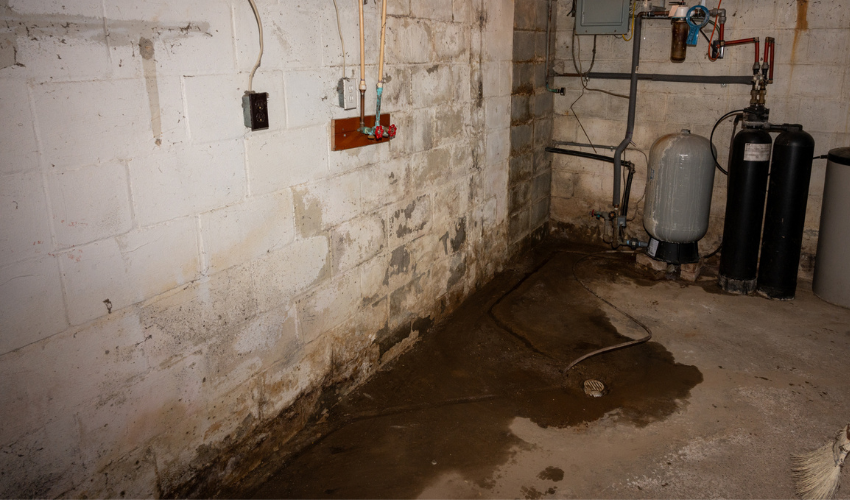
Why your basement is leaking usually comes down to one thing: the exterior drainage system around your foundation has stopped doing its job. Most Michigan homes were built with drainage systems designed to move groundwater away from the structure, but those systems clog with dirt and debris over time, water pressure builds up around the foundation, and that pressure finds the path of least resistance through cracks, joints, or porous concrete. The result is the water stain, the musty smell, or the wet corner you’ve been living with. This isn’t a freak event. It’s a predictable failure, and it’s solvable.
Warning Signs Your Basement has a Water Problem:
You don’t need standing water to have a real problem. Here are five signs that water is getting into your foundation:
• Water stains on basement walls (even old, dried ones)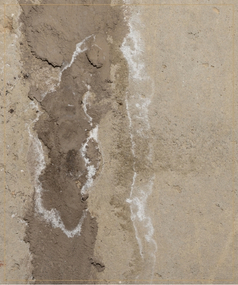
• A persistent musty smell that returns no matter what you do
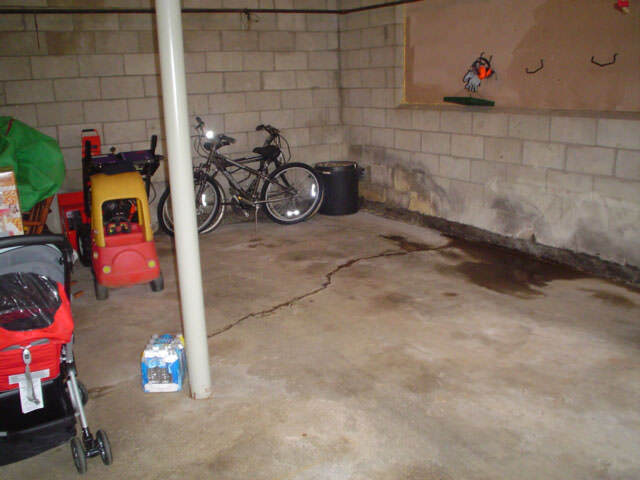
• White, chalky residue on the concrete (called efflorescence — a mineral deposit that forms on the surface of basement walls when water evaporates. Seen in photo to the right.)
• Water pooling where the wall meets the floor
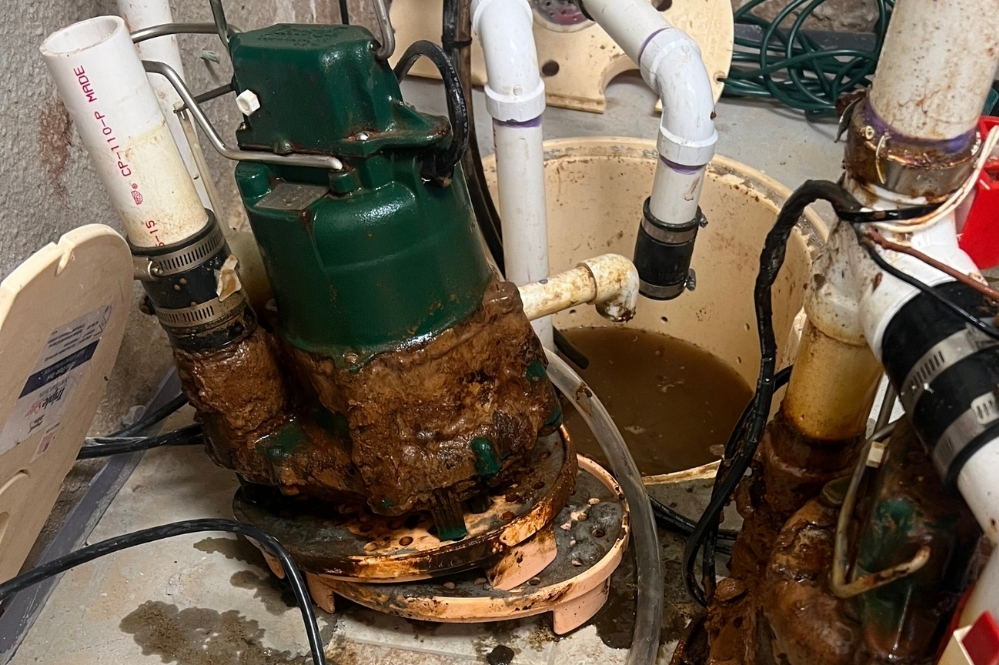
• A sump pump that runs constantly or struggles to keep up
If you’re seeing even one of these, it’s worth having someone take a look. Small problems have a way of becoming expensive ones and a basement that smells musty or shows water damage is one of the first things a home inspector will flag. That can cost you when it’s time to sell, either in negotiating power or in buyers walking away altogether.
Why Waterproofing Quick Fixes Usually Fail?
The reason waterproofing quick fixes don’t work is because they treat symptoms, not the source.
If you’ve already tried crack filler, waterproof paint, or foam injections, you’re not alone. Most homeowners try these first. They’re cheaper and they seem logical, but they don’t relieve the hydrostatic pressure building up around your foundation. A ‘quick fix’ will stop the leak temporarily, but the hydrostatic water pressure will just create another crack or start bowing the foundation wall – and comprise the structure of your home.
What Type of Waterproofing System Actually Works?
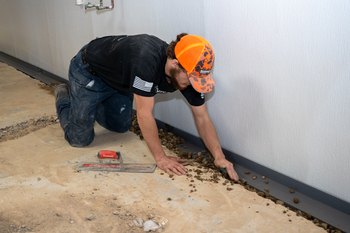
An interior basement waterproofing system doesn’t try to block water out — it manages water before it can cause damage. It captures it, routes it to a sump pump, and discharges it safely away from your home.
A properly installed system:
• Captures water at the perimeter before it reaches your floor
• Relieves hydrostatic pressure around your foundation
• Directs water into a sump pump system
• Discharges the water safely away from your home
The result is a basement that stays dry, not just during the next rainstorm, but consistently, year after year.
What to Expect When you get a Quote?
Getting quotes can be stressful. You hear different solutions from different contractors, see a wide range of pricing, and end up more confused than when you started. For more than 20 years, Basements Plus has worked to make that experience straightforward. Here’s how it works with us:
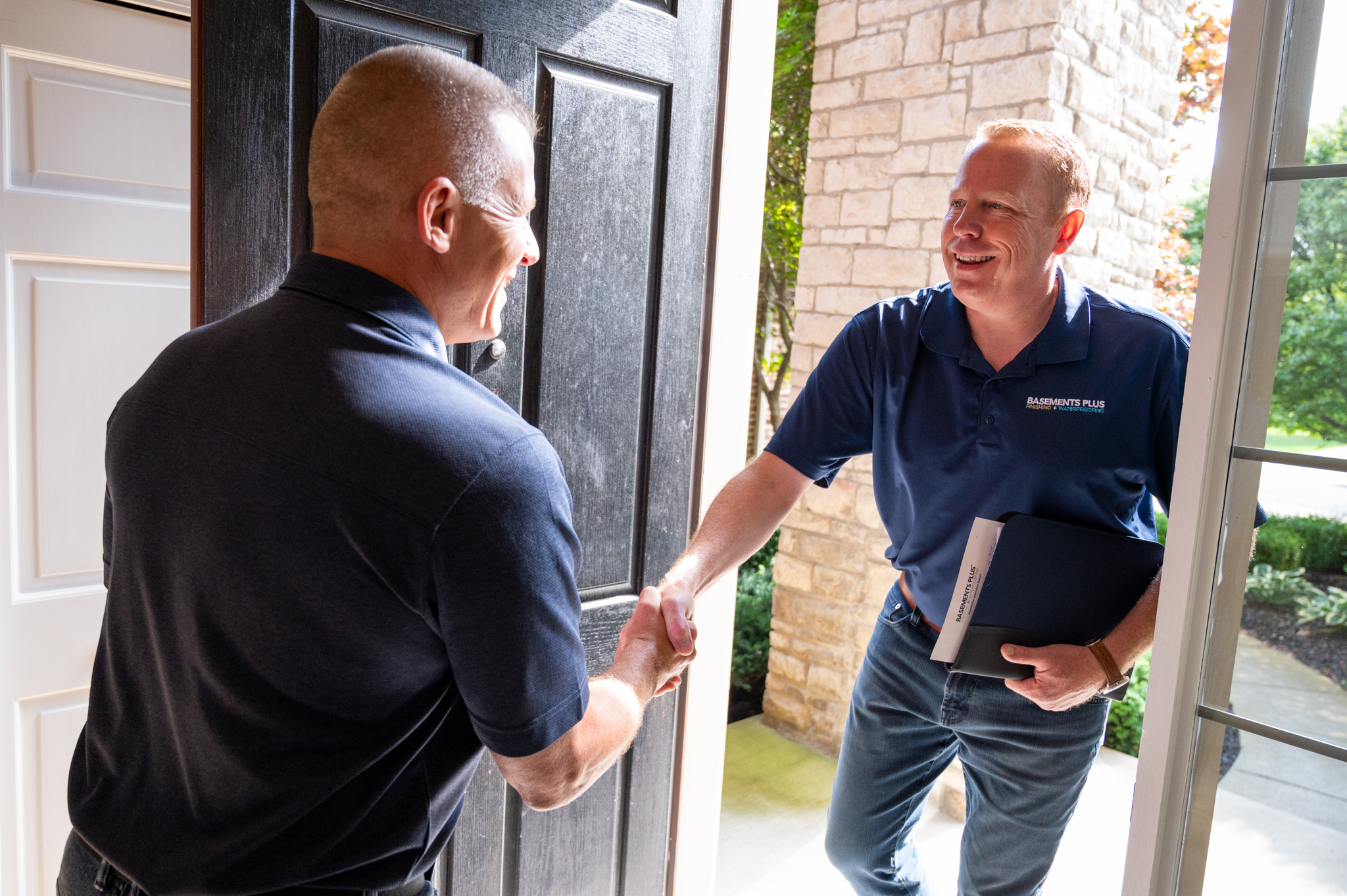
1. Schedule a free consultation. No pressure, no obligation.
2. We walk you through exactly what we found. What’s causing the problem and what it will cost.
3. Most installations are complete in about two days. The basement is yours to use.
Financing is available, and full-perimeter systems start around $10,000 depending on the size and scope of the project.
Schedule Your FREE Basement Estimate Today!
Is the Warranty Transferable When I Sell My Home?
 Yes. Qualifying Full-Perimeter Waterproofing Systems installed by Basements Plus include a transferable warranty that can be passed on to the next homeowner.
That transferability matters in Southeast Michigan’s housing market — it gives prospective buyers confidence that the basement has been professionally waterproofed and is backed by an established local company. It can make your home more attractive and better protected on resale.
A warranty is only as valuable as the company standing behind it. Before choosing any waterproofing contractor, read their Google reviews and look for evidence that they honor their commitments long after installation is complete.
Don't Wait Until After the Next Storm
If your basement has been a problem or even just a worry, the best thing you can do is get a clear answer. Schedule your free inspection and we’ll tell you exactly what’s going on and what it will take to fix it.

Topics: