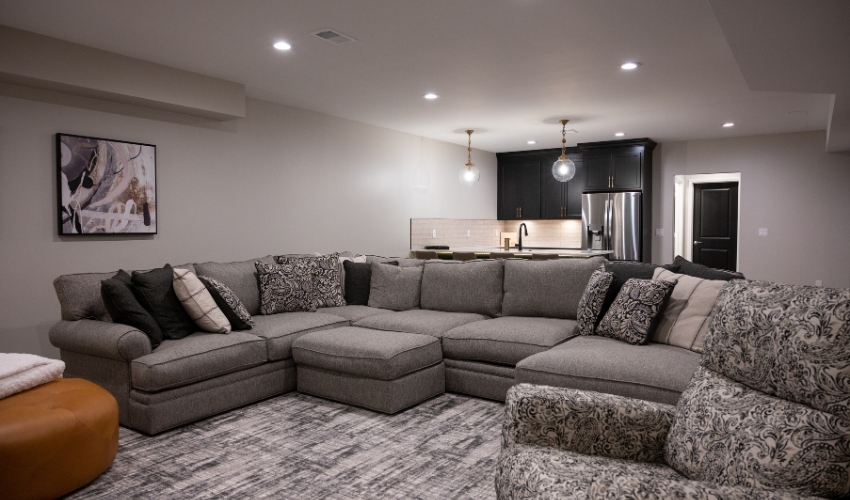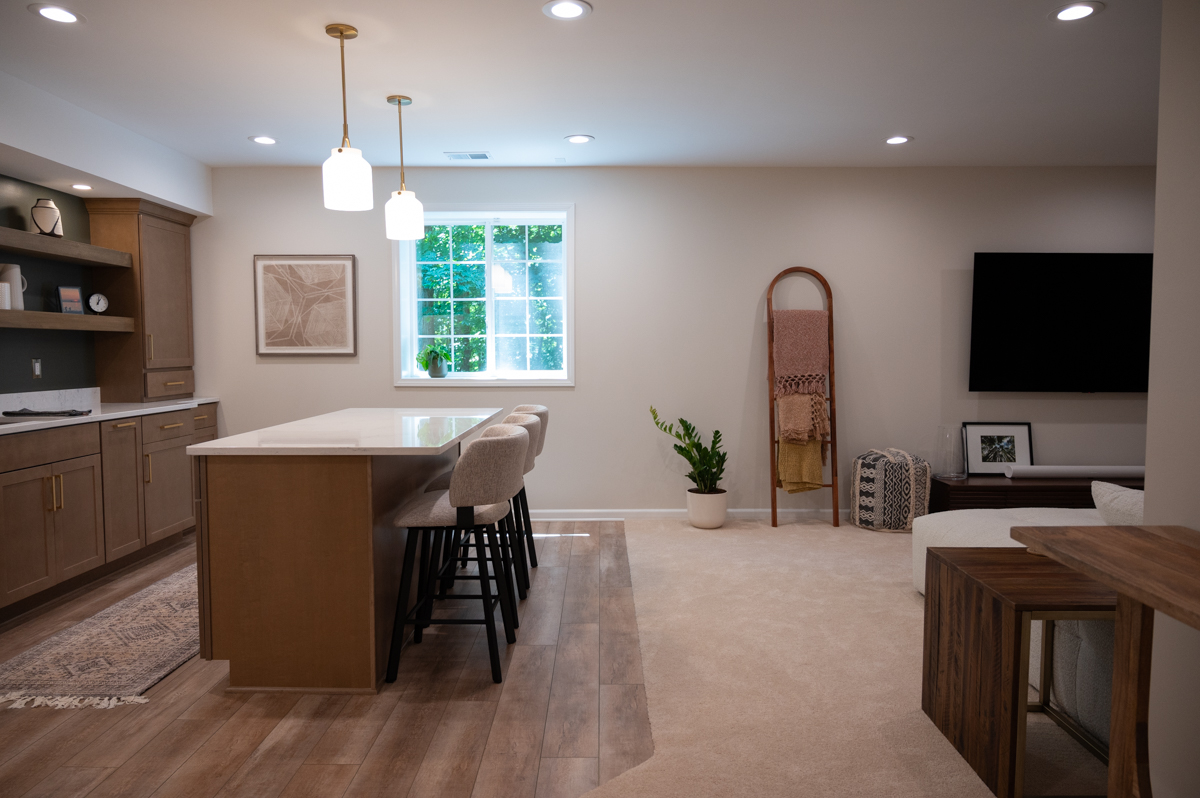
The best flooring for a basement is one that will resist moisture. The wrong flooring can easily lead to warping, mold, and replacing the floor within just a few years, turning what should’ve been a one-time investment into a repeat expense.
If you’re looking to finish your basement in southeast Michigan and trying to decide on the best flooring, this will help you make an educated decision for what’s best for your home.
Why Should Moisture Resistance Be Considered First?
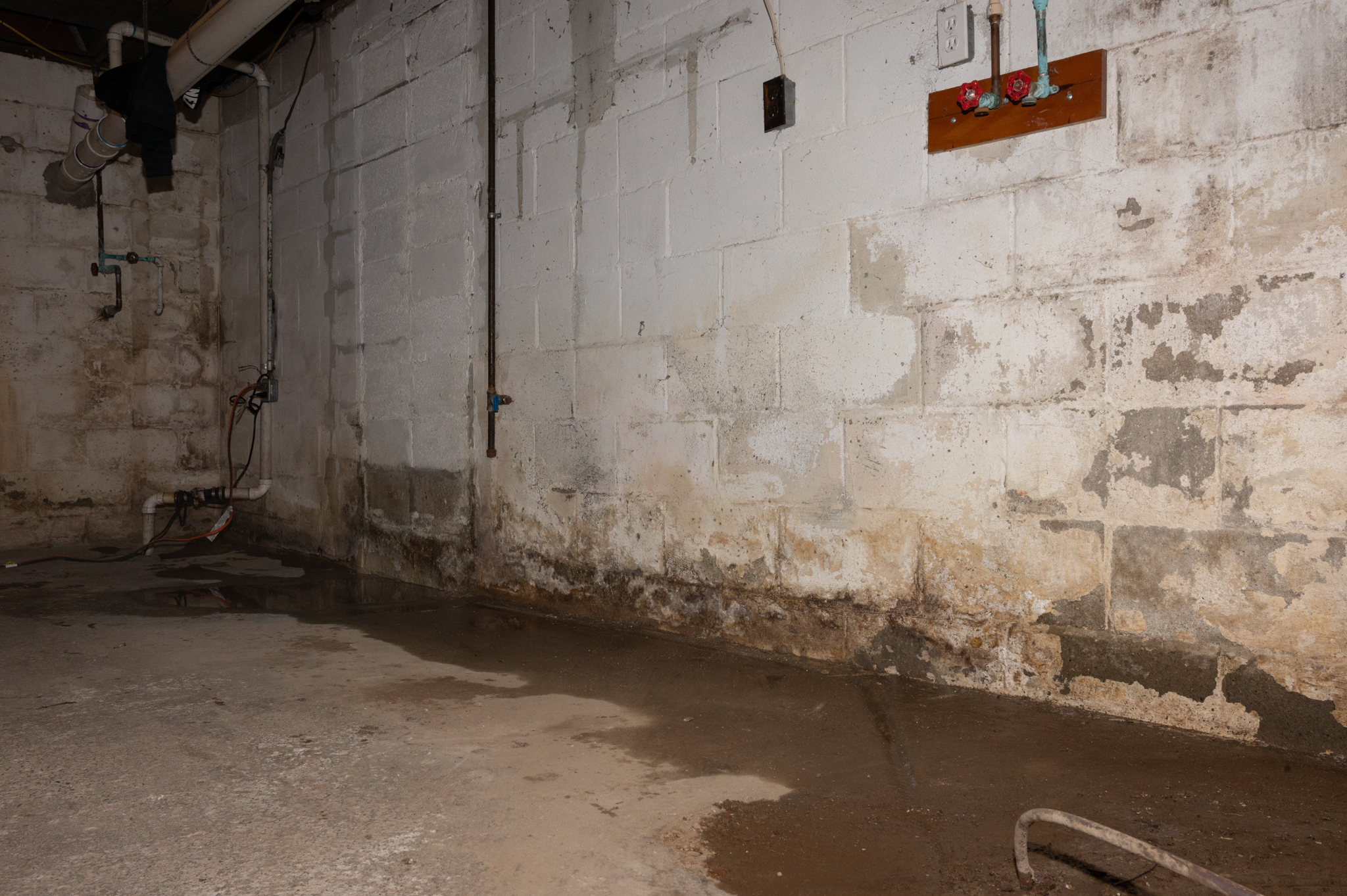
Basements often deal with various levels of humidity, poor ventilation, and the risk of water exposure. Sump pump failures, seepage, and heavy rain can naturally introduce moisture into your basement, even with no history of a leak. That’s why choosing the right type of flooring material matters when finishing your basement. You’ll want to avoid moisture-sensitive materials that can trap water which can lead to mold, humidity, musty smells and even permanent damage.
This is why moisture-resistant flooring should be one of your first considerations before designing your layout.
Pro Tip: If your contractor recommends a flooring option without asking about your sump pump, drainage system, or moisture history, they could be trying to prioritize a sale over what you need or want.

What Is the Best Flooring for a Basement?
For basement flooring, the materials that hold up are the ones built to handle moisture. Vinyl plank, vinyl tile, and carpet (with moisture-resistant padding) are materials Basements Plus install because they’re either fully waterproof or manageable if installed in a lower-risk space. We would not recommend solid hardwood, laminate, and engineered hardwood because they are wood-based materials that are prone to warping and mold growth after absorbing moisture. After finishing hundreds of basements in the southeast Michigan area, here is what we suggest and why.
Luxury Vinyl Plank
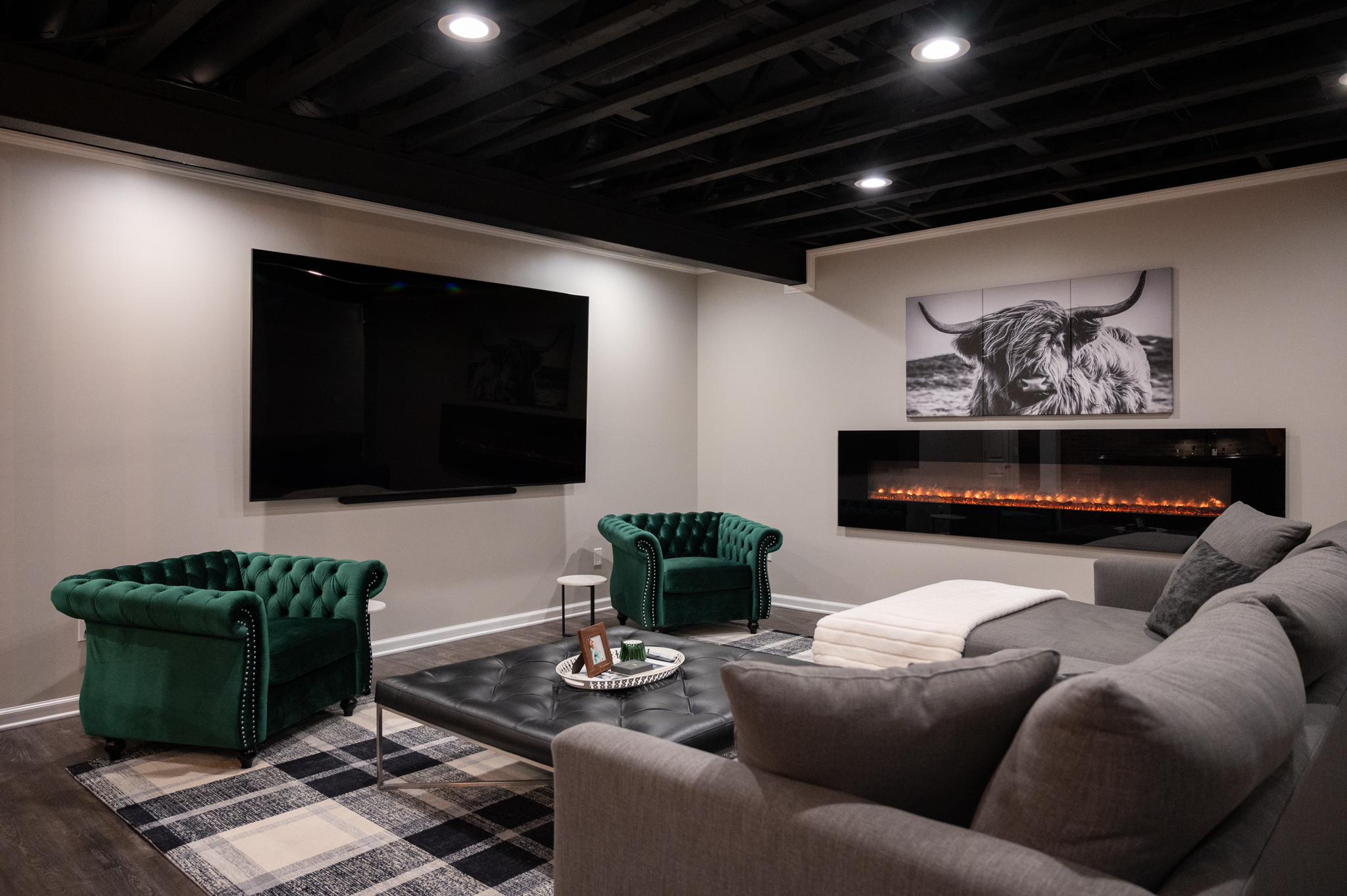
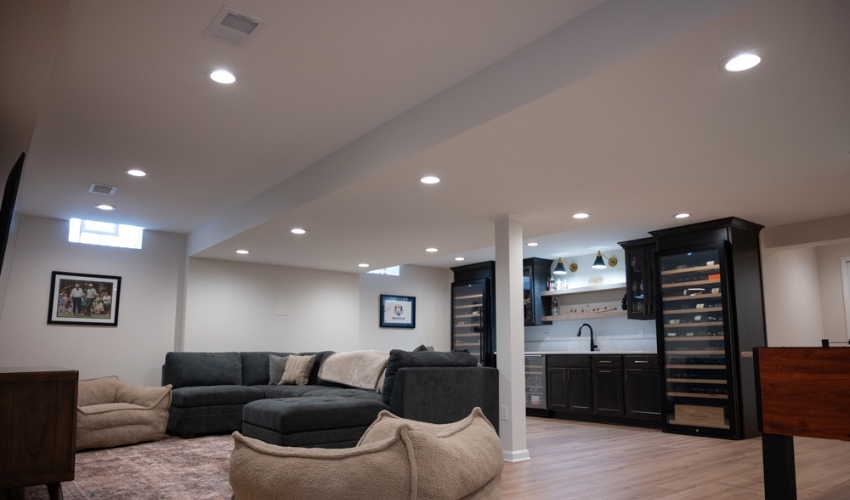
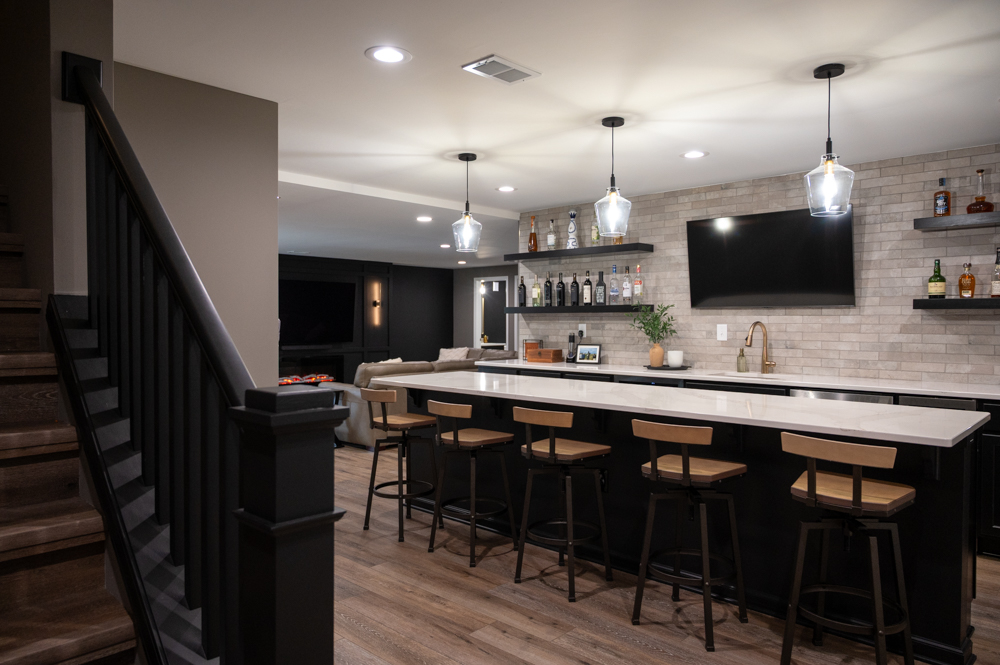
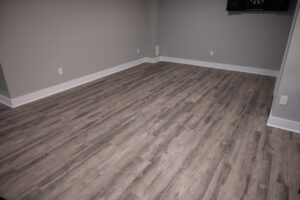 Luxury vinyl plank (LVP) flooring is fully waterproof, easy to install, and durable, with the look of real hardwood and a wide range of colors and styles to choose from. It holds up well in basements prone to humidity and moisture.
Vinyl plank works well in living areas, playrooms, bars, kitchens, bathrooms, bedrooms, and more.
Vinyl Tile
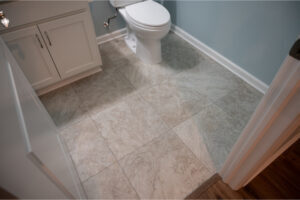 Vinyl tile is a great material that works like vinyl plank. It’s durable, easy to clean, and holds up well to moisture, making it a strong choice for smaller areas like bathrooms, bars, or kitchenettes.
It’s important to know the difference between vinyl tile and ceramic tile, as they’re not the same. Ceramic costs significantly more and also retains cold much more than vinyl.
Carpet
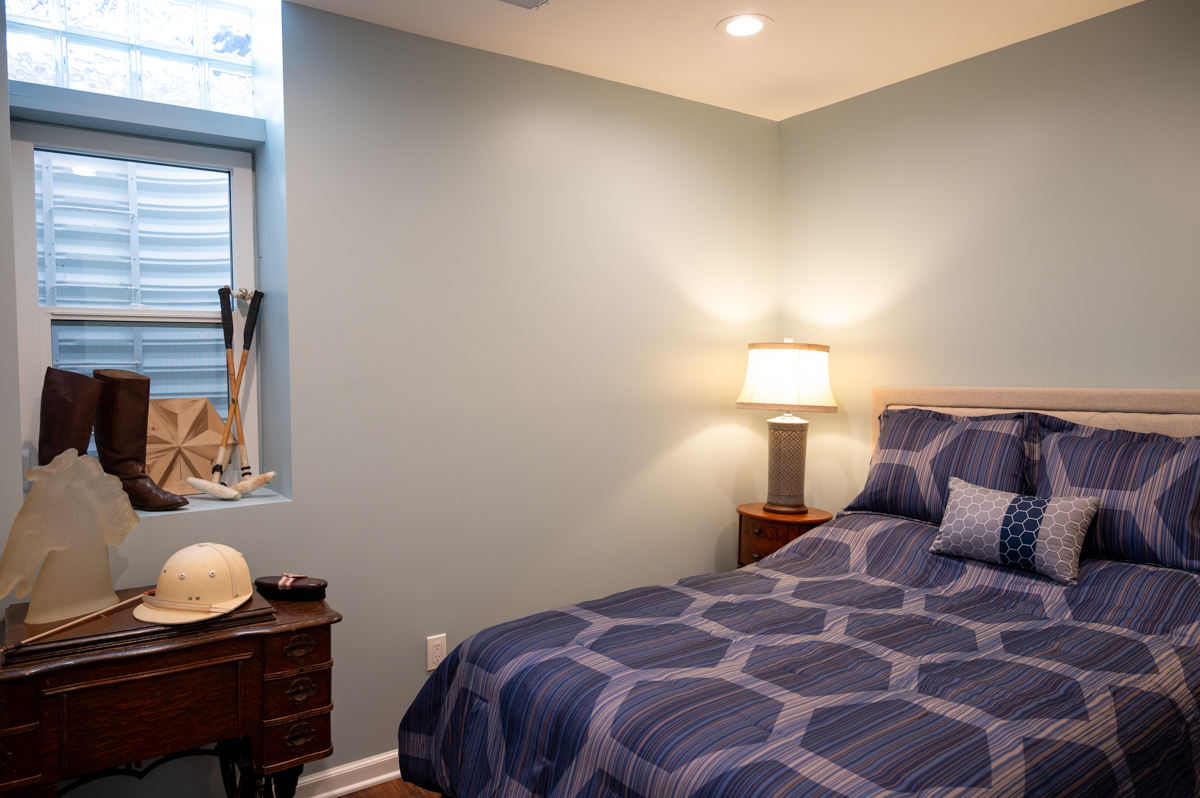
 Carpet is the most budget-friendly option, and it can work when paired with moisture-resistant padding, it should only be used strategically in low-risk areas of the basement, ideal for bedrooms, media areas, or stairs.
Avoid installing carpet in any space with a history of water intrusion, and make sure moisture control, like a dehumidifier or sump pump, is in place before installing it.
Basement Flooring to Avoid
If a contractor recommends or pushes these for a basement finishing project, you should take this as a red flag and consider other options.
- Solid hardwood – Absorbs moisture, prone to warping and mold growth under normal basement humidity.
- Laminate – Swells and deteriorate anytime moisture reaches it. Any damage could mean replacing the entire room, not just a piece unlike vinyl plank flooring.
- Engineered hardwood – Tolerates moisture better than solid hardwood but it is still not waterproof and not designed to holdup long-term in basement environments.
Questions to Ask Your Contractor Before Approving Any Flooring
Before committing to a contractor, make sure they can answer these flooring material questions:
- What is this material rated when it comes to moisture exposure?
- Where do these materials make sense, and where don’t they?
- What’s the plan if you have a leak or sump pump failure after installing?
A contractor who can answer these clearly, and who asks about your basement’s specific moisture conditions before recommending a floor type is approaching your project the correct way.
FAQ ask us anything
How can I check for moisture issues in my basement before installing new flooring?
Before laying any flooring, it’s important to identify and address potential moisture problems. Use a moisture meter or hygrometer to test the area, look for signs like water stains or a damp odor, and repair leaks or seal cracks. This proactive approach helps ensure your floor remains durable and free from mold.
Should I install basement flooring myself or hire a professional?
The best approach depends on the flooring type and your comfort with DIY projects. For example, vinyl plank flooring often features a floating installation system that’s DIY-friendly, while ceramic tile or epoxy flooring might require professional expertise to ensure proper waterproofing and a quality finish. Consider your project’s complexity and your own skills before deciding.
What maintenance tips can help extend the life of my basement flooring?
Regular maintenance is key to long-term durability. Promptly clean spills, use area rugs in high-traffic zones, and maintain consistent indoor humidity—ideally with a dehumidifier. Additionally, follow the manufacturer’s care guidelines specific to your flooring type, whether it’s periodic deep cleaning for vinyl or professional care for carpets with moisture-resistant padding.